
Mindful Insights
TCM: A Comprehensive Guide to Dietary Therapy
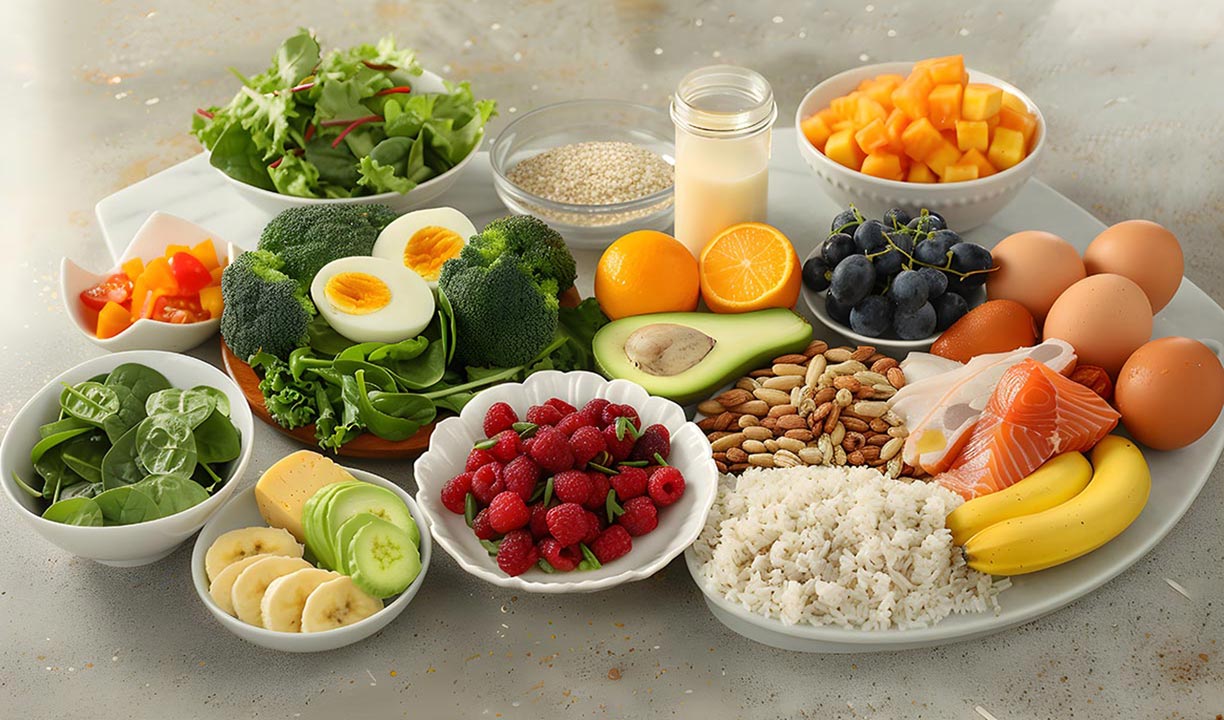
September is a month of transition; the vibrant, sunny days of summer gently fade into the crisp, golden hues of autumn. As we celebrate September’s Fruits and Vegetables Awareness Month, it’s an opportune time to embrace the seasonal bounty and rediscover the essential role that food plays in our health and wellbeing. A perspective that has long been ingrained in the principles of Traditional Chinese Medicine (TCM).
Traditional Chinese Medicine has been in practice for thousands of years, offering a holistic approach to health and wellness that integrates the mind, body, and spirit. Dietary therapy, one of the five major components of TCM, emphasizes the essential role of food and diet in maintaining health and treating disease.
According to TCM principles, foods are not merely defined by calories, fats, proteins, or vitamins. Instead, they have unique properties such as nature (cold, hot, warm, cool, and neutral) and taste (sweet, sour, bitter, spicy, salty) that can interact with the body’s Qi (vital energy) and Yin-Yang balance.
In this article, we will explore the concept of thermal qualities in foods, the importance of eating according to the seasons, and five tips for patients to harmonize their diets with TCM principles.
Understanding Thermal Qualities
In TCM, the thermal nature of foods refers to the energetic effects they have on the body, rather than their actual temperature. These effects can be classified into five categories: cold, cool, neutral, warm, and hot.
Eating According To The Seasons
One central tenet of TCM is that humans are a microcosm of the universe. As the seasons change, so should our diets to align with the external environment. This principle encourages us to eat foods that grow naturally during each season, promoting harmony and balance within the body.